A Humble Reflection on My Journey with English: Strengths, Growth, and Purpose By Rameez Qaiser
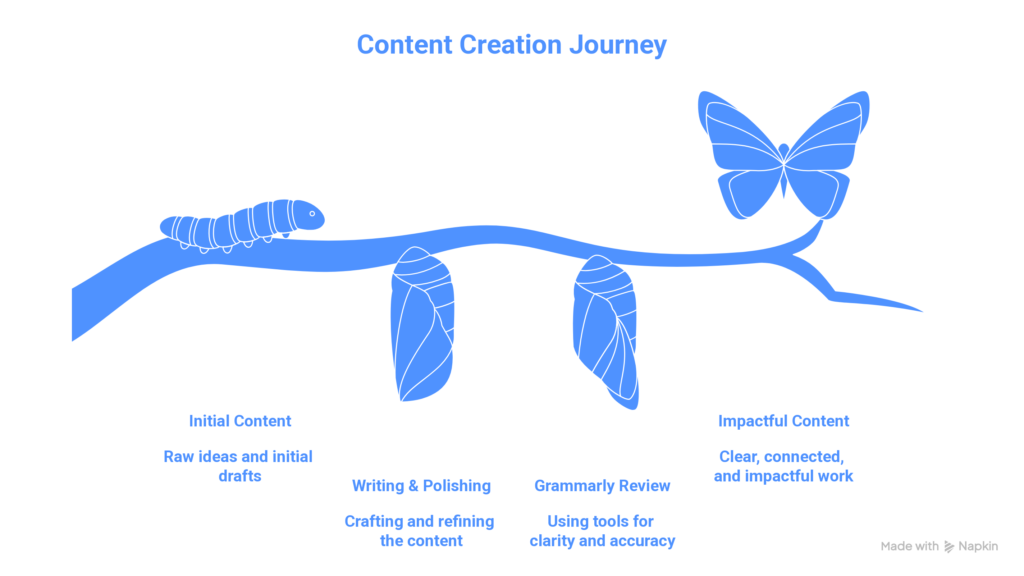
For over a decade, I’ve been creating content—writing blogs, scripting YouTube videos, developing online courses, and sharing insights on business, sales, and digital product creation. Through it all, one constant companion has been my relationship with the English language. I’ve written and polished more than 100,000 words—often reviewed through tools like Grammarly—not in pursuit of perfection, but in service of clarity, connection, and impact.
Recently, I received a thoughtful, real-world assessment of my spoken English. It concluded that my proficiency and pronunciation sit around a 70% mark—a score that feels both honest and encouraging.
It noted strengths I’ve worked hard to cultivate:
The ability to explain complex ideas—like inventory systems, niche marketing, or the creator economy—with structure and relevance.
A functional command of grammar that supports clear communication.
Vocabulary tailored to my field, allowing me to speak with authority on topics that matter to my audience.
At the same time, the feedback gently highlighted areas for growth—primarily my Pakistani accent, which occasionally affects word clarity (like saying “fysical” instead of “physical”) and introduces inconsistent stress patterns. Importantly, it affirmed that these nuances don’t block understanding—especially for viewers who value substance over flawless delivery.
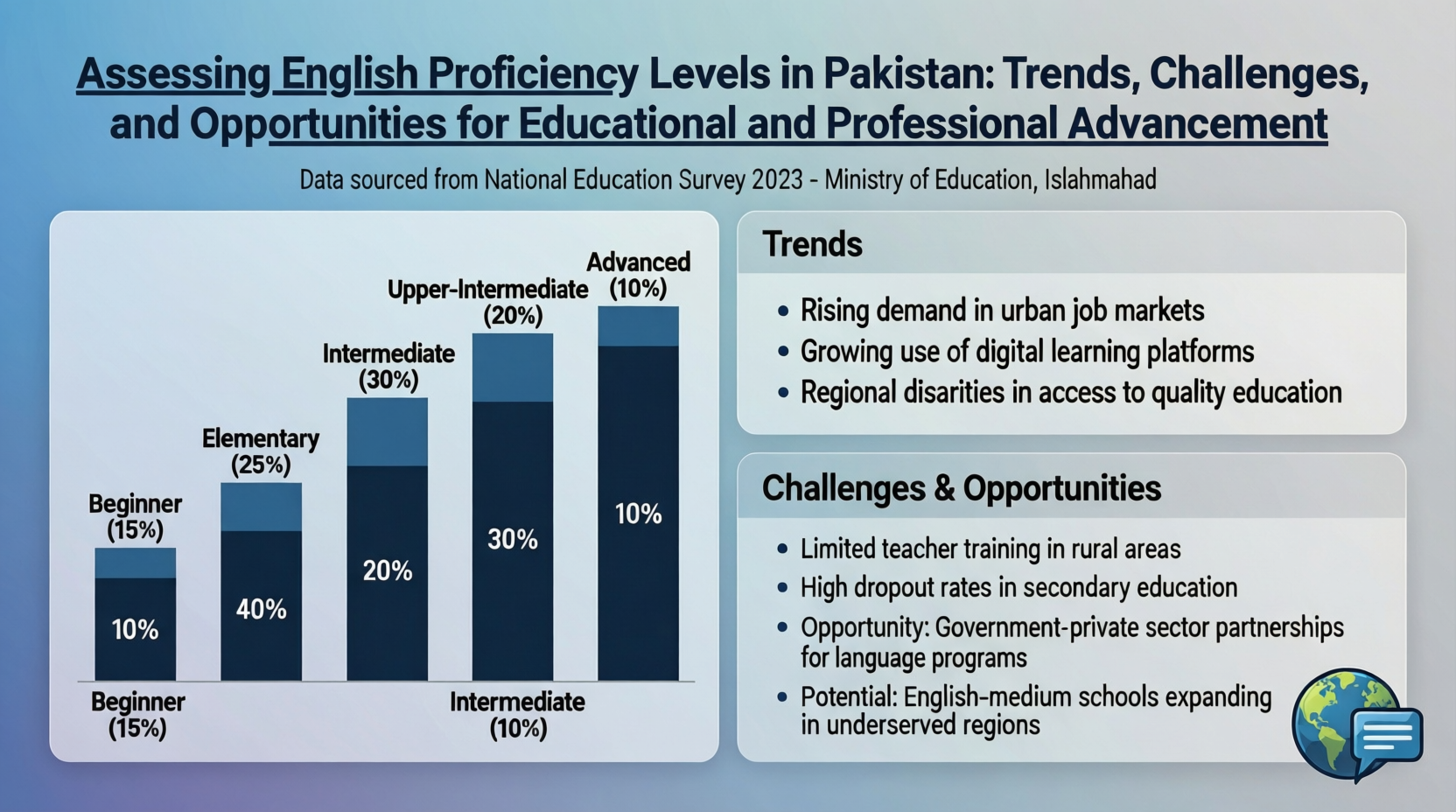
Perhaps what resonated most was the context it provided: compared to the general population in Pakistan, my English places me within the top 20–30% of professional communicators, particularly among those in digital, tech, and freelance spaces. I’m not aiming to mimic a native speaker—I’m aiming to be understood, trusted, and helpful to my audience, whether they’re in Karachi, Kuala Lumpur, or Kansas.
This 7/10 isn’t a limitation—it’s a reflection of real-world effectiveness. In the world of online education and digital entrepreneurship, ideas matter more than perfect diction. My viewers come for strategies to build businesses, not for elocution lessons. And if my words—accent and all—can empower even one creator to launch their first digital product, then my language has done its job.
I share this not to boast, but to normalize the journey. Many of us in Pakistan speak English with pride and imperfection. We code, sell, teach, and create—often globally—while carrying the melody of our mother tongue in our speech. And that’s okay. More than okay—it’s authentic.
Moving forward, I’ll keep refining my pronunciation, yes. But I’ll also keep prioritizing value over vanity, clarity over accentlessness, and impact over imitation.
Because at the end of the day, my strength isn’t flawless English—it’s the consistency, experience, and genuine intent I bring to every piece of content I create. And that, I believe, transcends any accent.
In today’s fast-moving global market, traditional inventory-heavy models are giving way to leaner, more agile supply chains. For businesses importing auto parts from hubs like Dubai, holding physical stock is no longer necessary — or even desirable.
Enter the “Drop-Ship” or “Just-in-Time Import” Model: a capital-efficient, low-overhead approach where parts are procured only after a customer places an order. While this model drastically reduces warehousing costs and inventory risk, it demands exceptional coordination, speed, and transparency across suppliers, logistics providers, and customers.
This is where Python becomes a strategic advantage.
Rather than relying on spreadsheets and manual follow-ups, forward-thinking importers are using Python-powered automation systems to orchestrate every stage of the order lifecycle — from customer inquiry to final delivery — with minimal human intervention.
In this article, I’ll outline how a Python-driven tech stack can transform a small-scale auto parts importer into a scalable, high-velocity operation — without ever touching a warehouse.
The Challenge: Speed & Reliability in a Non-Stock Environment
When you don’t hold inventory, your business lives and dies by:
How quickly you can source parts from suppliers (e.g., in Dubai)
How accurately you match OEM numbers and vehicle compatibility
How reliably you track shipments across borders
How transparently you communicate with clients
Every delay or error directly impacts customer trust — and margins. Manual processes simply can’t keep up.
But with the right tools, automation becomes your competitive moat.
The Solution: 10 Python-Built Systems for a Real-Time, Order-Driven Supply Chain
Below are the core systems that form the backbone of a modern, non-inventory auto parts business — all built with Python.
1. Order-to-Delivery Workflow System (The Central Nervous System)
Every customer order triggers a cascade of actions. This system ensures nothing falls through the cracks.
Key Features:
Logs orders with part number, vehicle model, quantity
Automatically creates a purchase order (PO) to the supplier
Scale from 10 to 100+ orders/week without hiring additional staff
All powered by a $150/month Python backend hosted on DigitalOcean.
Want a Starter Kit? I’ll Build It for You
I’ve helped several auto parts importers launch their Python automation systems from scratch.
If you’d like, I can provide you with a fully working starter template — a ready-to-run Order-to-PO Management System in Python, including:
✅ Folder structure ✅ Code for adding orders & generating POs (PDF) ✅ Email notification system ✅ Simple web dashboard (Flask) ✅ Step-by-step setup guide
👉 Just reply: “Yes, build me a starter order-to-PO system in Python” and I’ll send you the complete package.
Final Thought: Your Business Should Run Like a Software Company
You’re not just an auto parts supplier.
You’re a logistics orchestrator, a data coordinator, and a customer experience architect.
And in that world, Python isn’t just a programming language — it’s your operations engine.
By automating the flow of information as efficiently as the flow of parts, you create a business that’s lean, fast, and infinitely scalable — without ever owning a single bolt.
Let’s build the future of auto parts import — one line of code at a time.
— Rameez Founder, PR Autos Automating Global Auto Parts Supply Chains